HERBIX: Natural herbs for rabbits and rodents
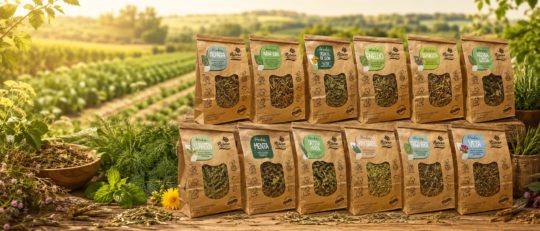
Discover HERBIX by Ribero, our range of natural herbs for rabbits, guinea pigs, chinchillas, hamsters and other small rodents.
A carefully selected range of traditional herbs, plants and sun-dried forage, 100% natural and with no added additives, designed to bring new aromas, flavours and textures to their diet while increasing the variety of plant ingredients they can enjoy.
The HERBIX range includes products such as dandelion, mint, plantain, green nettle, lemon verbena, dill, green oats, green wheat, sainfoin, ryegrass, alfalfa and vetch, each selected for its different nutritional and sensory characteristics.
They can be offered on their own, combined, mixed into hay, or used to prepare foraging trays and feeding enrichment activities.
A natural way to add variety to the diet of rabbits and small rodents while encouraging exploration, scent-based discovery and natural foraging behaviour.
.
Why include herbs in the diet of rabbits and rodents?
Herbs and plants can be used as complementary foods as part of a diet adapted to the nutritional needs of each species.
In addition to providing a variety of naturally occurring nutrients, they introduce new aromas, flavours and textures, helping to increase sensory diversity in the diet.
The HERBIX range includes leafy plants, aromatic herbs and different types of forage, allowing you to create different combinations according to each animal’s preferences.
They can be used to:
- Add variety to the daily diet.
- Mix with different types of hay.
- Create small herb and plant salads.
- Introduce new aromas and textures.
- Prepare foraging and food-search activities.
High-quality hay should always remain available ad libitum, together with clean, fresh water.
HERBIX: 12 natural herbs and forages to discover
“A different herb for every occasion”
Not all herbs have the same characteristics. Some stand out for their fibre content, while others are valued for their aroma, texture or the nutrients naturally present in the plant.
That is why HERBIX makes it easy to vary the complementary diet of rabbits and small rodents and discover which herbs are most appealing to each animal.
For example, you can alternate aromatic plants such as mint, lemon verbena or dill with other varieties such as dandelion, plantain or nettle, and combine them with natural forages such as green oats, green wheat, sainfoin, ryegrass, alfalfa or vetch.
This helps create a more varied complementary diet while offering new experiences of smell, texture and flavour.
Lemon Verbena
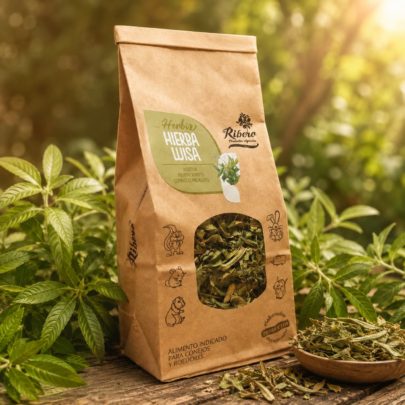
Lemon verbena for rabbits and rodents is a 100% natural product known for its distinctive citrus aroma, which adds a different sensory experience to their complementary diet.
Properties and benefits:
- Helps promote calm: lemon verbena is traditionally valued for its soothing properties and may help support a calmer state.
- Supports digestive comfort: it is traditionally used to aid digestion, especially in sensitive stomachs, while its fresh citrus aroma can also help improve breath.
Citrus aroma and feeding enrichment: Its distinctive scent makes it easy to combine with hay, leaves, flowers and other plants, using small amounts to create varied natural mixes. You can also hide it among the hay or add it to a foraging tray to encourage scent exploration, natural searching and foraging behaviour.
Mint
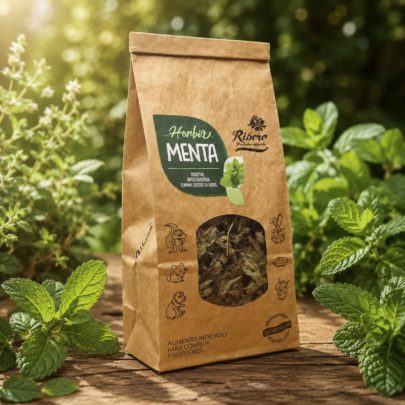
Mint for rabbits and rodents is an aromatic herb known for its intense scent and its ability to add a different sensory experience to their diet.
Properties and benefits:
- Supports respiratory comfort: mint is traditionally valued for its refreshing and decongestant properties, which may help promote a feeling of easier breathing.
- Supports digestive health: it is traditionally used to help reduce intestinal gas and support normal digestion.
- Contributes to general well-being: its aromatic and digestive qualities make it an interesting herb to include occasionally in the complementary diet of rabbits and rodents.
An aromatic herb to enrich their diet: You can offer a small amount on its own, mix it with hay or use it in a foraging tray. A variety of aromas is also a simple way to turn feeding time into an activity that encourages exploration and natural food-searching behaviour.
Green Nettle
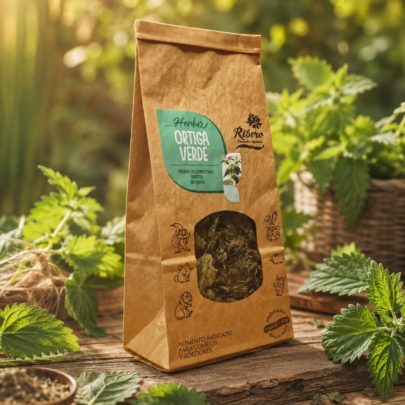
La ortiga verde para conejos y roedores, una vez adecuadamente seleccionada y deshidratada para alimentación animal, permite incorporar una planta diferente dentro de una dieta variada.
Es una planta que destaca por la presencia natural de diferentes nutrientes y minerales y permite ampliar la variedad botánica de la alimentación complementaria.
Propiedades y beneficios:
- Tratamiento de la anemia: Su alto contenido en hierro ayuda a combatir la anemia, promoviendo la formación de glóbulos rojos.
- Reducción de la Inflamación: Sus propiedades antiinflamatorias ayudan a reducir la inflamación y aliviar los síntomas de alergias.
- Mejora la circulación: Favorece la circulación sanguínea, contribuyendo a una mejor oxigenación de los tejidos.
- Desintoxicación: Las propiedades diuréticas y depurativas de la ortiga verde ayudan a eliminar toxinas del organismo, beneficiando la salud general.
- Salud Digestiva: Previene la descomposición, promoviendo un sistema digestivo saludable y eficiente.
Variedad de plantas en su alimentación: Puedes combinarla con heno, flores, hojas u otras hierbas, adaptando siempre la cantidad a la especie y al conjunto de la dieta. Su aroma y textura permiten además utilizarla en bandejas de forrajeo y actividades de enriquecimiento alimentario.
Green Oats
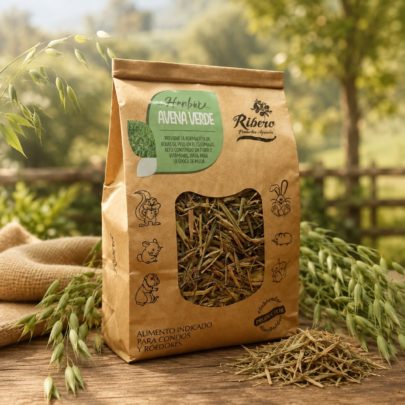
Green oats for rabbits and rodents are a natural forage, particularly valued for their fibre content and the texture of their stems and leaves.
HERBIX Green Oats by Ribero are harvested before reaching full maturity in order to preserve their natural plant characteristics. As a result of the natural growing cycle, the product may contain a small number of seeds.
Properties and benefits:
- Supports digestive health: the high fibre content helps support normal intestinal function and a healthy digestive system.
- Supports muscle maintenance: the protein naturally present in green oats contributes to the development and maintenance of muscle as part of a balanced diet.
- Supports normal immune function: green oats naturally contain vitamins and other nutrients that contribute to the normal functioning of the body.
- Supports skin and coat condition: their nutritional profile makes them a useful complementary forage, especially during the moulting season.
- Natural source of minerals: green oats provide a variety of naturally occurring minerals that help increase the nutritional diversity of the diet.
Green oats and the moulting season: Their fibre content and texture make them a particularly interesting complementary forage during periods when you want to increase the variety of forage offered, such as the moulting season.
They can be offered on their own, combined with other herbs, or used as the base of a small dried herb and forage mix.
Important: they do not replace high-quality hay available ad libitum.
Green Wheat
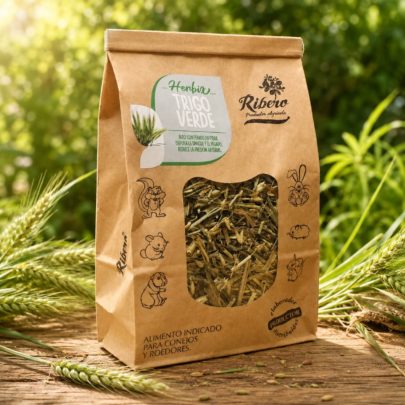
Green wheat for rabbits and rodents is a plant-based forage that introduces new textures into a fibre-rich diet.
HERBIX Green Wheat by Ribero naturally provides fibre together with other nutrients found in the plant.
Properties and benefits:
- Supports normal immune function: the amino acids and minerals naturally present in green wheat contribute to the normal functioning of the body’s natural defences.
- Rich in chlorophyll and plant enzymes: green wheat naturally contains chlorophyll and enzymes, making it an interesting addition to a varied plant-based diet.
- Supports general well-being: its nutritional profile contributes to dietary variety and can complement a balanced feeding routine.
- Natural plant diversity: it provides a different source of fibre and plant nutrients, helping broaden the range of forage offered to rabbits and small rodents.
Variety within a fibre-rich diet: It can be combined with different types of hay, leaves, flowers and other herbs to create natural mixes and increase dietary variety. It can also be scattered in a foraging tray to encourage exploration and natural food-searching behaviour.
Alfalfa
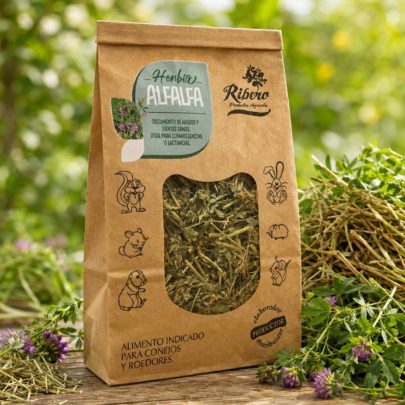
Alfalfa for rabbits and rodents is a forage legume characterised by its naturally high protein and calcium content, so the amount offered should be adapted to the animal’s age, life stage and nutritional needs.
Properties and benefits:
- Rich in fibre and protein: particularly useful during growth and other periods of increased nutritional demand.
- Source of calcium and organic phosphorus: these minerals contribute to the normal development and maintenance of bones and teeth.
- Traditionally valued for its diuretic and cleansing properties: alfalfa contains a variety of naturally occurring plant compounds and nutrients.
- Natural source of antioxidants: it provides plant compounds that contribute to protection against oxidative stress as part of a balanced diet.
- Adds variety to the diet: it can be offered in appropriate amounts to introduce a different forage, texture and flavour.
When should alfalfa be offered?
It is particularly suitable for young growing animals, up to around 6 months of age, and during periods of higher nutritional requirements such as pregnancy, lactation or convalescence, always as part of a properly formulated diet.
For adult animals, alfalfa can be offered as a complementary food in amounts adapted to their individual needs.
Plantain
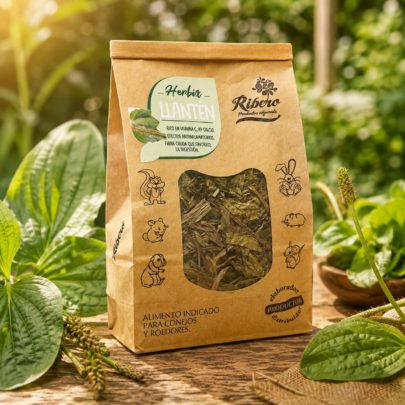
Plantain for rabbits and rodents is a natural plant that can be used as a complementary food to introduce new leaves, aromas and textures into their diet.
Its plant-based composition and fibre content make it particularly interesting as part of a diet based primarily on hay and forage.
Properties and benefits:
- Supports natural defences: plantain contains naturally occurring nutrients and plant compounds that contribute to the normal functioning of the body.
- Supports digestive health: its fibre content helps support normal intestinal function and a healthy digestive system.
- Traditionally valued for its soothing properties: plantain has long been used for its calming and anti-inflammatory plant compounds.
- Supports respiratory comfort: it is traditionally appreciated for its soothing properties, particularly in relation to respiratory well-being.
- Traditionally used for its diuretic and cleansing properties: plantain is often included in varied plant-based diets for its natural draining qualities.
Dill
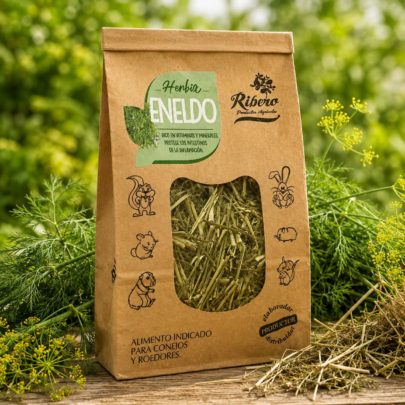
Dill for rabbits and rodents is an aromatic herb that can introduce new scents, flavours and textures into their complementary diet.
Properties and benefits:
- Supports digestive health: its natural fibre content can help support normal intestinal function and a healthy digestive system.
- Supports natural defences: dill contains a range of naturally occurring nutrients that contribute to the normal functioning of the body.
- Supports bone health: its calcium content contributes to the maintenance of normal bones as part of a balanced diet.
- Naturally rich in essential oils: dill contains aromatic plant compounds that give it its distinctive scent and make it an interesting addition to a varied diet.
- Supports general well-being: its plant-based nutrient profile makes it a useful complementary herb for rabbits and other small rodents.
- Adds botanical variety: offered in appropriate amounts, dill helps broaden the range of herbs, aromas and textures in the diet.
A different way to add variety: it can be offered in small amounts on its own or combined with hay and other herbs.
Because of its intense aroma, it is particularly suitable for feeding enrichment activities, such as scattering small amounts through the hay or placing them in different areas of a foraging tray.
Dandelion
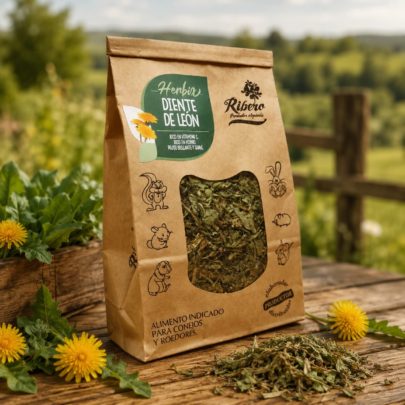
Dandelion for rabbits and rodents is one of the best-known plants used in the complementary diet of small herbivores.
Its texture and aroma make it a useful way to introduce variety into the diet of rabbits, guinea pigs, chinchillas and other small rodents, always as a complement to a diet suited to the needs of each species.
Properties and benefits:
- Supports natural defences: dandelion naturally contains vitamin C, folate and other plant nutrients that contribute to normal body function.
- Traditionally valued for its diuretic and cleansing properties: it is commonly used as part of a varied plant-based diet.
- Natural source of antioxidants: dandelion contains plant compounds that help protect cells from oxidative stress.
- Supports skin and coat condition: its nutrient profile can contribute to maintaining healthy skin and coat as part of a balanced diet.
- Provides naturally occurring minerals: these nutrients contribute to the normal maintenance of bones and overall nutritional balance.
Why offer dandelion?
Dandelion adds botanical variety to the diet and can easily be combined with hay, leaves, flowers and other natural herbs.
It is also particularly suitable for foraging trays, hiding small amounts among the hay or creating natural mixes that encourage scent exploration and natural food-searching behaviour.
Sainfoin
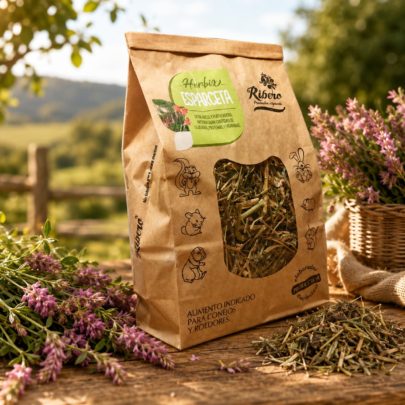
Sainfoin for rabbits and rodents is a traditional, 100% natural forage legume that offers a different texture, aroma and nutritional profile from grass hays.
Properties and benefits:
- Supports digestive health: its high fibre content helps support normal digestion and healthy intestinal transit.
- Supports healthy growth: sainfoin naturally provides potassium and calcium, minerals that contribute to the normal development and maintenance of bones and teeth.
- Naturally contains tannins: the tannins present in sainfoin make it an interesting forage to include as part of a varied, fibre-rich diet.
- Nutritional variety: it naturally provides proteins, carbohydrates and minerals that help increase the diversity of the overall diet.
A different forage to add variety: suitable for daily use, around 30–50 g depending on the species, body weight and overall diet.
Its fibre content makes it a useful addition to complementary feeding and an excellent base for preparing dried herb and plant salads. It can also be mixed with hay, flowers and other HERBIX varieties to create different natural combinations.
Ryegrass
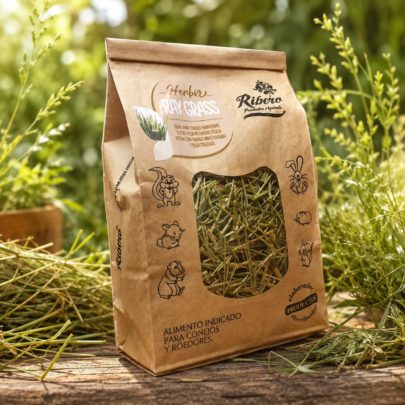
Ryegrass for rabbits and rodents is a natural grass forage characterised by its stems, leaves and naturally high fibre content.
Properties and benefits:
- Supports natural dental wear: its fibre-rich structure encourages prolonged chewing, helping support the natural wearing down of continuously growing teeth.
- Good palatability and digestibility: the structure of the leaves can make this forage appealing and easy to incorporate into a varied diet.
- Supports healthy growth: ryegrass naturally provides fibre and potassium, nutrients that contribute to the normal development and maintenance of bones and teeth.
- Nutritional variety: it provides a different source of fibre and plant nutrients, helping diversify the diet of rabbits and other small rodents.
Fibre, texture and chewing: particularly recommended for daily use in SENIOR animals, around 30–50 g depending on the species, body weight and overall diet.
Its forage structure encourages prolonged chewing and introduces a different texture into the diet. It can be used to vary the types of forage offered and combined with other hays, plants and herbs.
High-quality hay should always remain available ad libitum.
Vetch
HERBIX as enrichment for rabbits and rodents
Feeding does not have to be limited to simply placing food in a bowl.
Rabbits and many small rodents naturally spend part of their time exploring and searching for food. The different shapes, aromas and textures of herbs make them ideal for creating simple feeding enrichment activities.
Try hiding a small amount of HERBIX among the hay, spreading different herbs across a foraging tray, placing them in a snuffle mat, or distributing them in different areas of their living space.
This way, in addition to adding variety to their diet, mealtime can become an activity that encourages exploration, scent-based discovery and natural foraging behaviour.
How to offer HERBIX herbs?
Offer a small amount as a complement to their usual diet.
HERBIX herbs can be served on their own or combined with hay, leaves, flowers and other natural products suitable for each species.
They can also be used:
- Mixed into hay.
- In a foraging tray.
- In a snuffle mat.
- Inside enrichment toys or food dispensers.
- Distributed around different areas of their living space.
When introducing a new herb into the diet, it is best to do so gradually while monitoring tolerance.
Always provide high-quality hay and clean, fresh water ad libitum.
Ribero Selection and Traceability
At Ribero, we carefully select the raw materials used in our HERBIX range and maintain full product traceability from the source.
Our experience as agricultural producers gives us first-hand knowledge of the plants, herbs and forages we offer, allowing us to select them carefully in order to preserve their natural aroma, texture and quality as much as possible.
We also grow and work directly with a range of traditional forages and crops, including alfalfa, fescue, ryegrass and oats, as well as other field-grown forage plants such as sainfoin and vetch.
This agricultural expertise allows us to select each raw material with care and offer a range of natural herbs for rabbits and rodents based on product control, field experience and traceability.
From field to feeder: agricultural know-how, careful selection and traceability.
Which animals is HERBIX suitable for?
The HERBIX range can be used as complementary food for different small mammals, always taking into account the nutritional needs of each species and the characteristics of each plant.
- Rabbits: HERBIX herbs can help add variety to the diet and enrich their daily hay-based feeding routine.
- Guinea pigs: different herbs can be offered as a complement to a diet adapted to their specific nutritional needs.
- Chinchillas: offer small amounts and choose suitable products as part of a diet that should remain predominantly high in fibre.
- Hamsters and other small rodents: some varieties can be used to introduce new aromas, textures and natural foraging activities.
Not all plants or serving amounts are equally suitable for every species, so the selection should always be adapted to the individual animal.
Important
HERBIX products are complementary foods. They do not replace unlimited access to high-quality hay, a complete and balanced diet, or veterinary care from a veterinarian experienced in exotic and small mammals.
For animals with existing health conditions, pregnant or nursing females, or animals receiving any treatment or medication, consult your veterinarian before introducing a new product.
If your animal shows digestive, urinary or respiratory symptoms, pain, lethargy, loss of appetite, or any significant behaviour change, seek advice from a veterinarian experienced in exotic and small mammals.
 English
  Spanish